Hangars in Miami
Aviation-grade hangar coatings that resist jet fuel, hydraulic fluid, and heavy aircraft loads.
Last updated: October 12, 2026
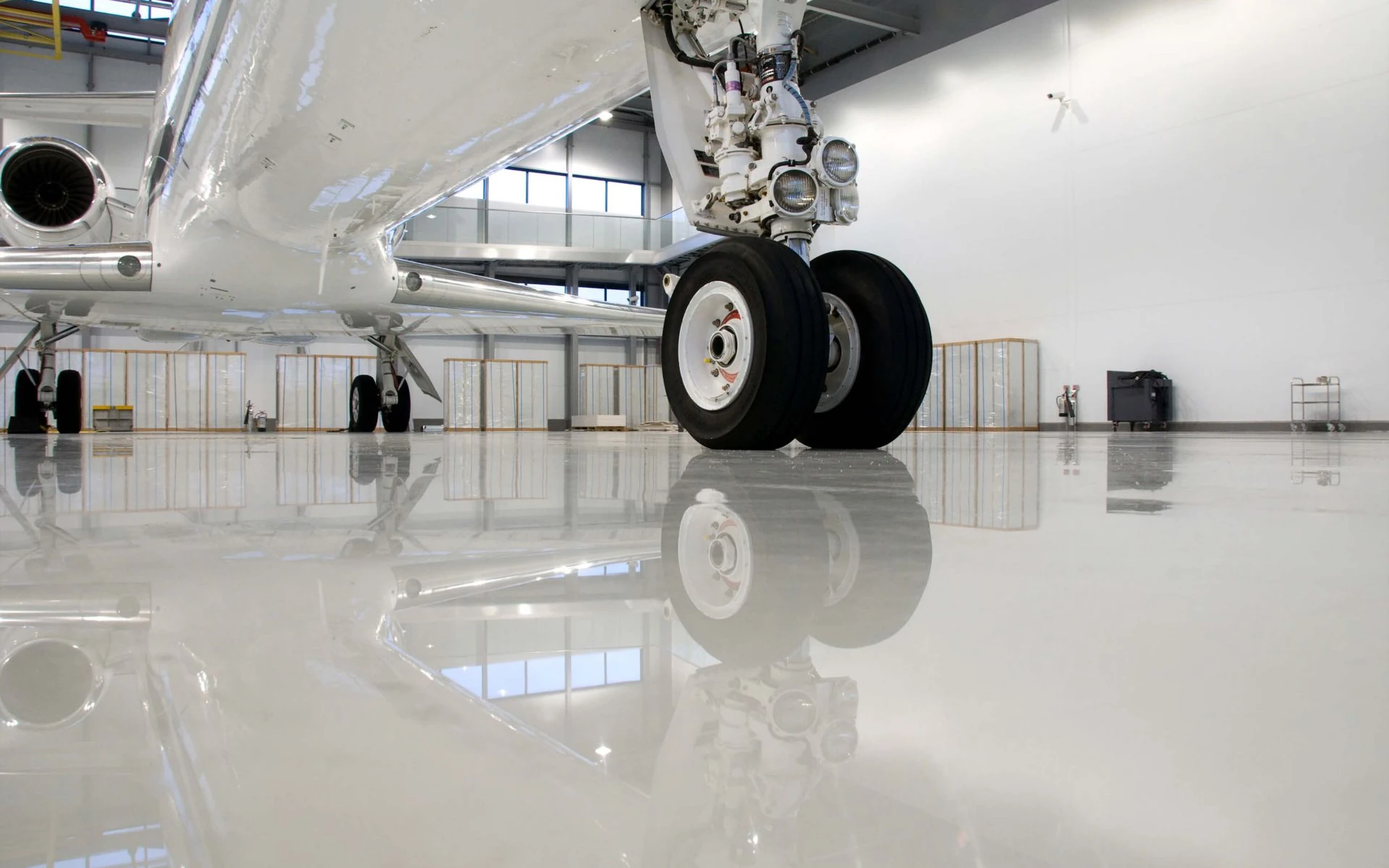
Hangars face unique demands — jet fuel spills, hydraulic fluid, and the weight of aircraft and support gear. Our coatings resist aviation fuels, oils, de-icing chemicals, and hydraulic fluids while supporting landing gear and jack loads. We use high-build epoxy and polyaspartic with chemical-resistant topcoats for easy cleanup. Safety striping for taxi lanes, maintenance zones, and walkways keeps operations organized and OSHA-compliant.
Preparing Hangar Slabs For Aviation Loads
Hangar floors carry some of the heaviest and most concentrated loads of any coated surface, so preparation has to be flawless before a single gallon of resin is mixed. These large slabs are frequently old, oil-saturated, and cracked from decades of aircraft movement, which means we begin with deep cleaning and degreasing to pull contaminants out of the concrete. We then diamond-grind or shot-blast the entire floor to create an aggressive surface profile that lets high-build epoxy bond mechanically to the slab. Because hangars often sit on grade with significant moisture vapor movement, we run calcium-chloride and relative-humidity moisture testing and, where needed, install a vapor-mitigating primer to stop hydrostatic pressure from lifting the coating later. Structural cracks, spalls, and joints are routed out and filled with rigid, load-bearing repair mortars so the finished floor is monolithic under landing gear and jack points. Expansion and control joints are treated appropriately so the coating flexes with the slab rather than cracking over it. For the enormous square footage a hangar represents, we deploy ride-on grinders and large mixing and application equipment to keep the project efficient. This meticulous groundwork is what allows the system to withstand the weight of aircraft tires, tugs, and support equipment without delamination. It reflects the same disciplined approach we bring to all of our industrial flooring work, where load capacity and chemical exposure leave no room for shortcuts in surface preparation.
Resisting Jet Fuel, Fluids, And Sun
An aviation floor earns its keep by surviving the chemical onslaught of a working hangar. Jet fuel, avgas, hydraulic fluids like Skydrol, engine oils, de-icing compounds, and cleaning solvents all end up on the floor, and each can soften or dissolve an inadequate coating. We specify high-build epoxy basecoats sealed with chemical-resistant topcoats that let these aggressive fluids sit and then wipe away without staining or degrading the surface. For hangars with open bay doors, UV exposure is a real concern, so we finish with UV-stable aliphatic polyaspartic topcoats that will not yellow, chalk, or break down under the intense South Florida sun. That same topcoat resists the abrasion of constant equipment movement and makes spill cleanup fast, which keeps the floor safe and professional-looking. Miami's salt air adds a corrosion dimension that a sealed, non-porous floor helps manage by keeping moisture and chlorides off the concrete. Safety and compliance are built in through anti-slip aggregate broadcast into the topcoat, giving traction in fuel-slick or rain-tracked conditions, and through high-visibility line striping for taxi lanes, equipment staging, fire zones, and pedestrian walkways. Organizing a hangar with clear markings supports the safe-operations expectations set out by the FAA for aircraft facilities. The result is a floor that protects your concrete asset, speeds maintenance, reduces slip hazards, and presents the clean, organized appearance that owners, inspectors, and clients expect from a professional aviation operation.
Markings, Safety Striping, And Layout
A hangar floor is not just a protective surface; it is an operational map, and thoughtful layout striping turns a chaotic space into an efficient, safe one. We work with your team to plan and install durable line markings that define aircraft positioning, taxi and tow lanes, equipment staging areas, tool-crib zones, hazardous-material storage, fire-extinguisher access, and clearly separated pedestrian walkways. Color-coded zones help ground crews move aircraft, tugs, and support equipment without conflict, which reduces the risk of costly collisions and personnel injuries. All striping is embedded within the coating system and sealed under the clear topcoat, so it will not peel, scuff off, or fade under heavy tire traffic the way surface-applied tape or paint does. We can incorporate stenciled text, caution markings, directional arrows, and even company logos for a polished, branded appearance in client-facing hangars. Anti-slip texturing can be tuned zone by zone, with more aggressive traction in fuel-handling and wash areas and a smoother finish where equipment rolls frequently. Because these facilities range from small helicopter pads to massive fixed-wing maintenance bays, every layout is custom to your aircraft, workflow, and safety protocols. Clean, permanent markings also support regulatory inspections and insurance requirements. This level of organized, hard-wearing detail is part of the comprehensive industrial flooring service we deliver across Miami-Dade, Broward, and Palm Beach, where function, safety, and durability all have to coexist on a single demanding surface.
Project Scope, Cost, And Downtime
Because hangars are large, high-value facilities, owners rightly want clarity on scope, cost, and how long the floor will be out of service. We begin with an on-site assessment of the slab's size, age, condition, contamination level, moisture profile, and your chemical-exposure and safety-marking needs. From that we build a phased plan that keeps as much of the hangar operational as possible, often sectioning the floor so aircraft and crews can keep working on one side while we coat the other. Fast-cure polyaspartic topcoats are a major advantage here, allowing foot traffic within hours and aircraft traffic within a day or two of the final coat, which dramatically reduces costly downtime compared with slow-curing systems. Project length depends on square footage, the amount of crack repair and degreasing required, the number of coats, and the complexity of your striping layout. Pricing reflects those same variables along with moisture mitigation and anti-slip requirements, so rather than quote a misleading blanket rate we provide a detailed, itemized estimate after inspecting your facility. We coordinate closely with your operations manager to schedule work during slower periods, overnight, or in stages that protect your flight and maintenance commitments. We also handle the logistics of working around fuel systems and sensitive equipment safely. For a precise proposal and timeline tailored to your hangar, including facilities near Fort Lauderdale, contact our team to arrange a walkthrough with our estimators.
Longevity, Upkeep, And Floor Warranty
A professionally installed hangar floor is a long-term capital asset, and with correct maintenance it delivers many years of reliable service under punishing conditions. Routine care is straightforward: regular sweeping or mechanical scrubbing to remove grit that would otherwise abrade the surface, prompt cleanup of fuel and fluid spills, and periodic washing with a compatible cleaner. Because the surface is seamless, non-porous, and chemical-resistant, contaminants wipe away rather than soaking into the concrete, which both protects the slab and keeps the hangar safer and more presentable. High-build epoxy and polyaspartic systems resist the impact of dropped tools, the point loads of jack stands, and the constant rolling of tugs and service carts without cracking or delaminating when the substrate has been properly prepared. Over time the clear topcoat in the busiest traffic lanes will show wear, and when it does we can scuff-sand and recoat those areas to restore protection and appearance without redoing the entire floor, extending the system's life well beyond its initial cycle. Line striping sealed beneath the topcoat holds up for years, though it too can be refreshed as operations evolve. We stand behind our installations with a written workmanship warranty and are available for periodic inspection and spot repair of any localized damage from heavy impact. With the thorough preparation and premium materials we use, a hangar floor from Art of Coating Miami is built to protect your facility and aircraft operations for the long haul.
Key Features & Benefits
Hangars Across South Florida
We provide professional hangars services throughout Miami-Dade, Broward, and Palm Beach counties. Popular locations include:
Ready to Get Started?
Get a free estimate for your hangars project.
Licensed & insured. 500+ projects completed across South Florida.
Other Services
Frequently Asked Questions
Last updated: October 12, 2026
Related Articles
10 min read · Pool Deck Guide
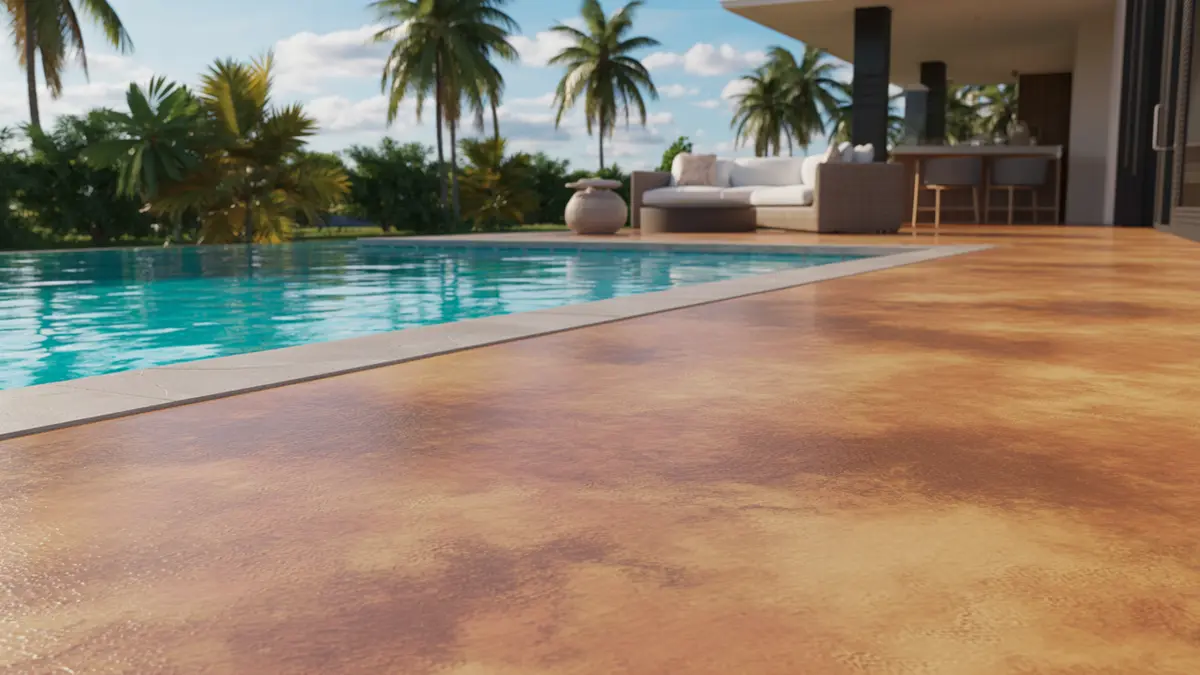
Condo & HOA Pool Deck Resurfacing in Florida: A Board's Guide (2026)
Read More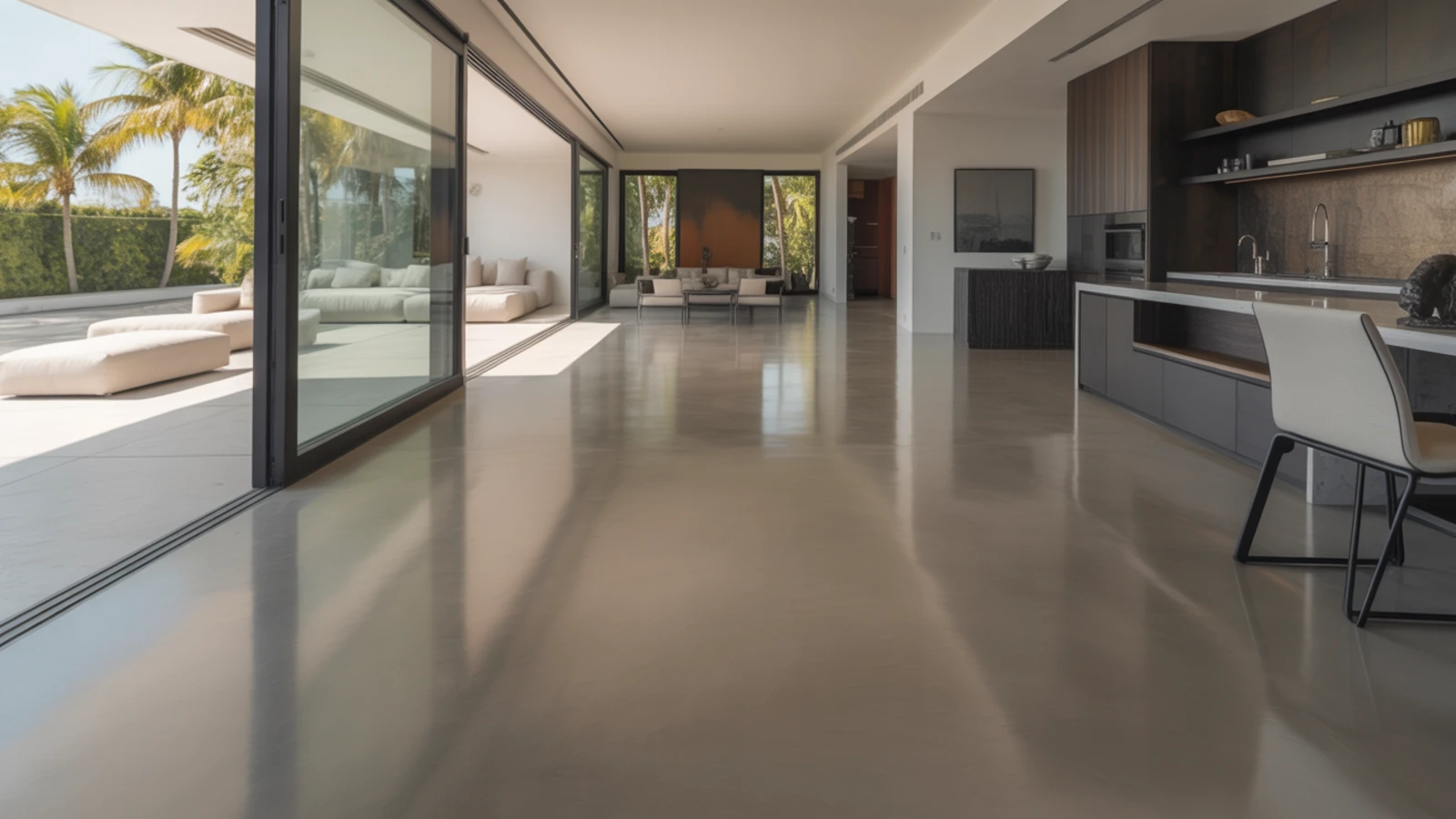
10 min read · Materials Guide
Microcement in South Florida: Cost, Pros & Cons, and Where It Works
Read More
10 min read · Comparison Guide
Polished Concrete vs Epoxy Flooring in Miami: Which Should You Choose?
Read More
Need Hangars for Your Project?
Get a free, no-obligation estimate. We serve all of Miami-Dade, Broward & Palm Beach counties.