Urethane Cement in Miami
Heavy-duty urethane cement flooring for food processing, breweries, dairies, and industrial wet areas in Miami.
Last updated: October 14, 2026
The Short Answer
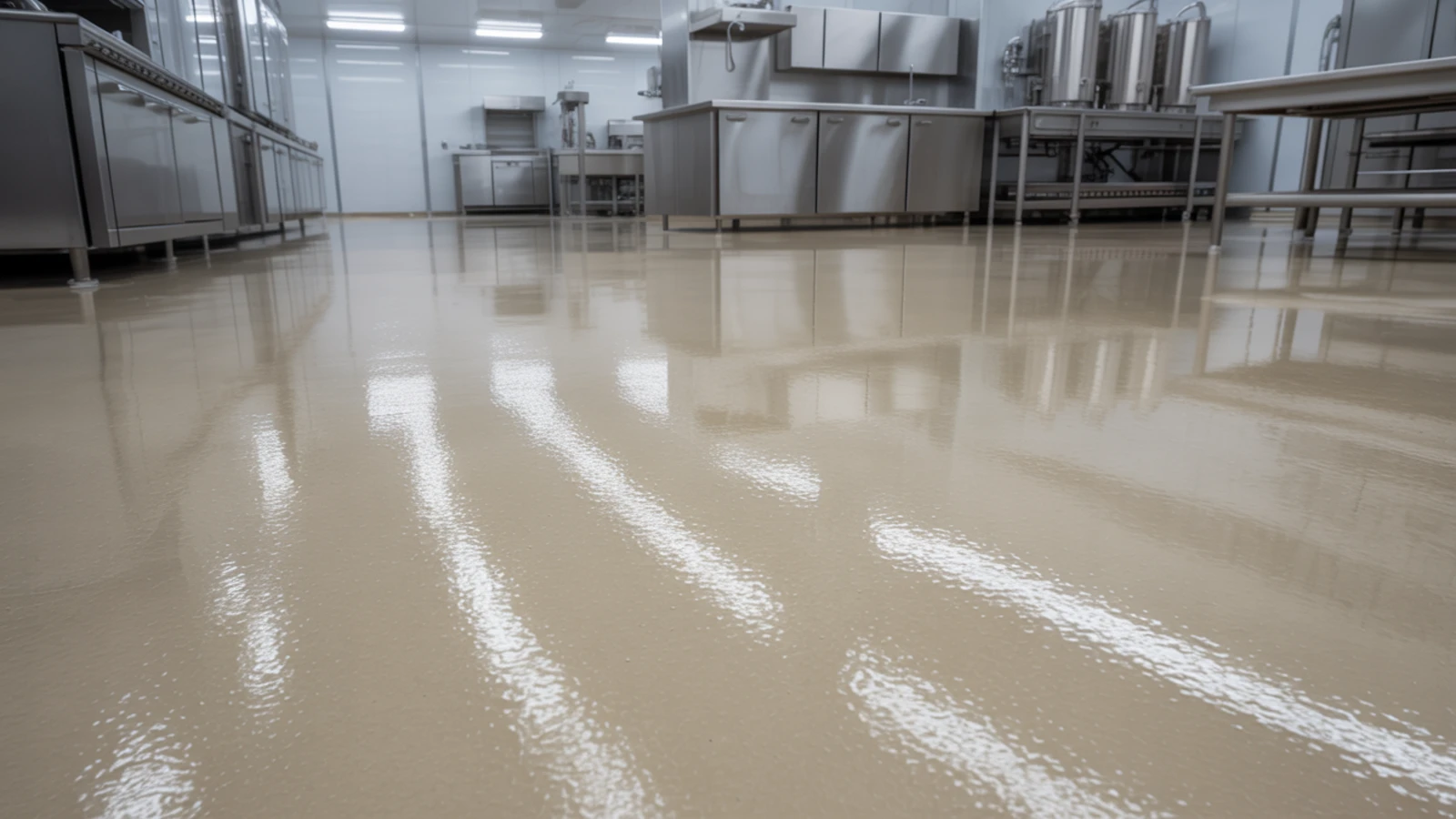
Urethane cement flooring is a thick, trowel-down system for food processing plants, breweries, dairies, commercial kitchens and industrial wet areas in South Florida. It costs more than epoxy or polyaspartic and is quoted after Art of Coating Miami inspects the facility. Many installations are back in operation within a day or two, and properly installed floors last 20+ years. It bonds chemically, can go over high-moisture slabs and green concrete, and handles 180°F steam cleaning, caustic washdown and constant Miami humidity.
Reviewed October 14, 2026 by the Art of Coating Miami installation team.
Urethane cement is the toughest floor coating made, and it is the only system we recommend for environments involving extreme temperatures, constant moisture, and aggressive chemical exposure. We install urethane cement flooring in food processing plants, breweries, commercial kitchens, dairies, pharmaceutical facilities, and any wet industrial space across Miami-Dade, Broward, and Palm Beach counties. The seamless, antimicrobial surface handles boiling water, steam cleaning at 180°F, caustic wash-down chemicals, and constant moisture without breaking down, softening, or delaminating. Our urethane cement installations meet USDA, FDA, and HACCP hygiene standards, making them mandatory for any facility subject to food safety inspections. The system is applied as a trowel-grade mortar at up to 9 mm thickness — significantly thicker than standard epoxy or polyaspartic coatings — which provides superior impact resistance, thermal shock tolerance, and the ability to slope floors to drains for proper water management. We install integral coved bases that eliminate the gap between floor and wall where bacteria and moisture can hide, creating a truly seamless, sanitary environment. Urethane cement bonds permanently to the concrete substrate through a chemical reaction, not just mechanical adhesion, which is why these floors last 20+ years even under the most abusive conditions. Unlike epoxy, urethane cement can be installed on green concrete (as young as 7 days old) and over substrates with high moisture vapor emission rates, making it the solution for new construction and renovation projects where timeline matters. We offer urethane cement in multiple textures from smooth to heavy-duty anti-slip, and in a range of safety colors for zone marking and pedestrian/forklift traffic separation.
Installing Urethane Cement The Right Way
Urethane cement is the most demanding floor system we install, and getting it right requires specialized skill, equipment, and sequencing. Unlike thin coatings, urethane cement is a trowel-grade mortar applied at thicknesses up to nine millimeters, so preparation and placement are physically intensive and leave no room for error. We begin by mechanically shot-blasting or diamond-grinding the concrete to an aggressive profile, then cut anchor keys at perimeters, drains, and transitions so the thick mortar locks mechanically into the slab. One of the system's great advantages is that it bonds through a chemical reaction rather than relying solely on surface adhesion, and it can be installed over green concrete as young as seven days and over substrates with high moisture vapor emission rates that would defeat epoxy entirely. We slope the material to drains for proper water management and build integral coved bases at walls and equipment plinths to eliminate the floor-to-wall seams where bacteria and moisture hide. The mortar is screeded, troweled, and finished to the specified texture by an experienced crew working quickly within the material's working time. This thermal-shock and chemical resistance is why urethane cement is specified for the harshest wet environments, and it carries the certifications documented by ASTM International for industrial flooring performance. Correct installation is what separates a floor that lasts two decades from one that fails inspection within months of opening a food or beverage operation.
Thermal Shock, Chemicals, And Wet Areas
Urethane cement exists because epoxy and polyaspartic coatings cannot survive the conditions found in food processing plants, breweries, dairies, commercial kitchens, and pharmaceutical facilities. In these spaces the floor faces boiling water, steam cleaning at 180 degrees, caustic wash-down chemicals, animal fats, sugars, acids, and constant moisture, often all in the same shift. Thermal shock, the rapid swing from hot washdown to cold product or ambient temperature, causes ordinary coatings to crack and delaminate because their expansion rate differs sharply from the concrete beneath. Urethane cement is formulated with a thermal expansion coefficient close to that of concrete, so it moves in harmony with the slab and shrugs off thermal cycling that would destroy thinner systems. Its dense, non-porous matrix resists the aggressive organic acids, cleaning caustics, and solvents that attack other floors, and its antimicrobial character inhibits bacterial growth, which is critical in Miami's humid climate where microbial activity accelerates. The nine-millimeter trowel-down build also delivers exceptional impact resistance against dropped tools, heavy carts, and equipment. Because the surface can be finished with graded anti-slip aggregate, it stays safe underfoot even when wet with water, grease, or product. For any facility that cleans with hot water and harsh chemicals, this is the only system that performs reliably year after year. It is a cornerstone of the heavy-duty industrial flooring solutions we provide to processors across South Florida.
Food Safety Compliance And Hygiene Design
For any facility subject to food-safety inspection, flooring is not a cosmetic decision but a compliance requirement, and urethane cement is the recognized standard for meeting it. Our installations satisfy USDA, FDA, and HACCP hygiene requirements for food-contact and processing zones, which makes them essential for meat and poultry plants, dairies, bakeries, beverage producers, commissary kitchens, and pharmaceutical manufacturing. The key to hygienic performance is seamlessness: the system is monolithic with no joints, grout lines, or porous areas where bacteria, mold, and moisture can collect and breed. We install integral coved bases that curve the floor up the wall, eliminating the ninety-degree junction that is impossible to clean thoroughly and notorious for harboring contamination. Floors are sloped precisely to drains so wash water and product run off rather than pooling, which both improves sanitation and reduces slip hazards. The antimicrobial, non-porous surface withstands the aggressive daily sanitation these facilities require, from caustic foams to high-pressure hot-water washdown, without degrading or absorbing odors. Safety-color options allow zone marking for traffic separation, allergen control areas, and pedestrian routes. Because this level of hygienic engineering is specialized, it pairs naturally with our broader heavy-duty systems, including the durable warehouse and factory flooring we install in the dry storage and logistics areas that surround wet processing zones. A properly designed urethane cement floor helps your facility pass inspections confidently and protects the products your customers trust.
Timeline, Cost, And Operational Planning
Urethane cement is a premium system, and facility owners deserve a clear picture of what the investment and schedule involve. The material and labor cost more than standard epoxy or polyaspartic coatings because of the thick trowel-down build, the specialized crews required, and the coved-base and drainage detailing involved, but the twenty-plus-year service life in punishing wet environments makes it the most economical choice over time for processing facilities. One of its practical advantages is speed of return to service: urethane cement cures quickly and many installations can be back in operation within a day or two, and because it bonds to green concrete, new construction timelines are not held up waiting for slabs to fully cure. For existing facilities, we phase the work zone by zone and schedule around production, sanitation, and shutdown windows so your operation keeps running wherever possible. Project duration depends on square footage, substrate condition, the extent of drainage and coving work, and the finish texture specified. Rather than quote a misleading blanket rate, we provide a detailed, itemized estimate after inspecting your facility, assessing moisture and substrate conditions, and understanding your chemical and thermal exposure. We coordinate closely with your operations and quality teams to protect equipment and maintain sanitation throughout. For a precise proposal and phasing plan tailored to your plant, kitchen, or processing facility, reach our estimators through the contact page and we will arrange a site walkthrough at your convenience.
Twenty-Year Durability And Maintenance
The reason facilities invest in urethane cement is longevity under conditions that annihilate other floors, and a properly installed system routinely lasts twenty years or more even with daily hot-water washdown, caustic cleaning, and heavy traffic. Because the material bonds chemically to the slab and is built thick, it resists the delamination, softening, and cracking that plague coatings in wet industrial environments. Maintenance is straightforward and fits naturally into the sanitation routines these facilities already follow: regular washdown with approved cleaners, prompt attention to any heavy chemical spills, and periodic inspection of drains and coved transitions. The seamless, non-porous surface releases food residues, fats, and contaminants easily, which supports both hygiene compliance and slip safety. Anti-slip textures hold their traction over time, though in very high-traffic areas the surface profile can be refreshed if needed. Should localized damage occur from extreme impact or a dropped piece of heavy equipment, the system can be spot-repaired without replacing the entire floor, because urethane cement patches bond to the existing surface. We back our installations with a written workmanship warranty and remain available for inspection and repair as your facility ages. For processors, brewers, dairies, and commercial kitchens across Miami-Dade, Broward, and Palm Beach, the combination of two-decade durability, inspection-ready hygiene, and resistance to thermal shock and chemicals makes urethane cement the clear long-term value, and the floor we recommend whenever water, heat, and harsh chemicals are part of daily operations.
Key Features & Benefits
Urethane Cement Across South Florida
We provide professional urethane cement services throughout Miami-Dade, Broward, and Palm Beach counties. Popular locations include:
Ready to Get Started?
Get a free estimate for your urethane cement project.
Licensed & insured. 500+ projects completed across South Florida.
Other Services
Frequently Asked Questions
Last updated: October 14, 2026
Related Articles
10 min read · Commercial Guide
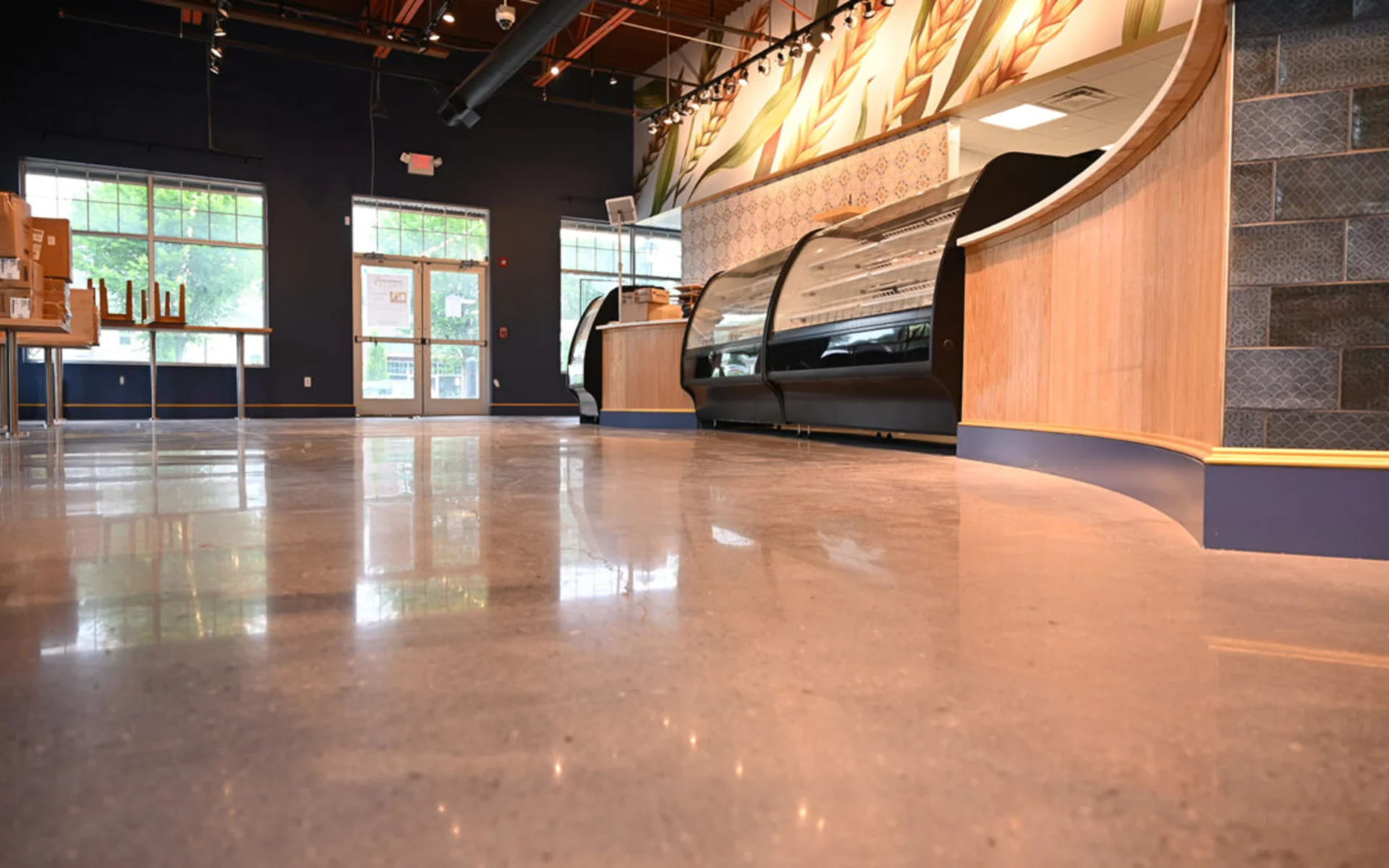
Restaurant & Commercial Kitchen Flooring in Florida: Options & Costs
Read More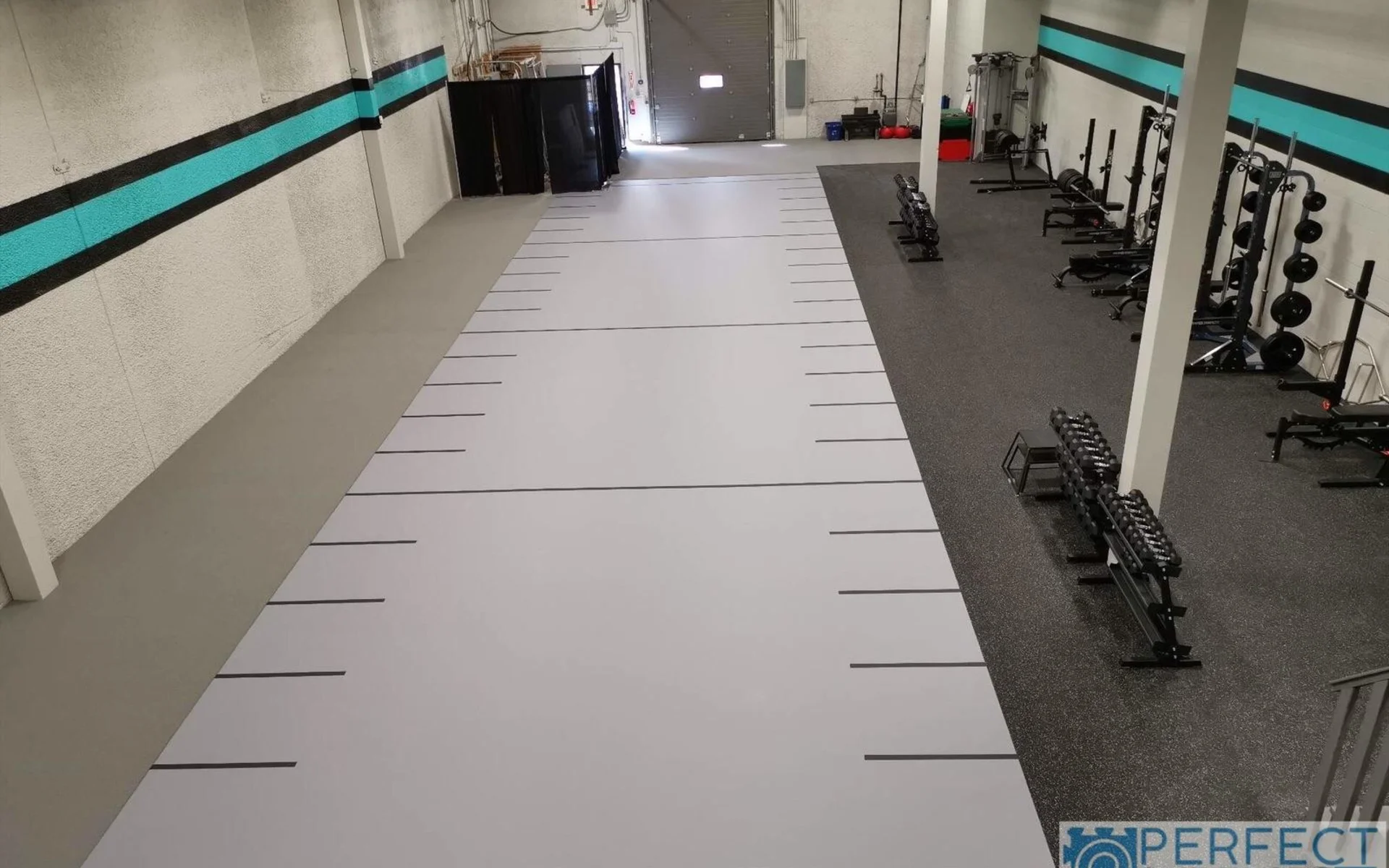
10 min read · Garage Guide
Home Gym & Fitness Studio Flooring Miami: Epoxy vs Rubber vs Concrete
Read More
10 min read · Maintenance Guide
Hurricanes, Flooding & Epoxy Floors: What Holds Up in South Florida
Read MoreHow We Do the Work: Methods & Standards
- Moisture testing before any coating goes down — calcium chloride (ASTM F1869) or in-slab relative humidity (ASTM F2170) — with vapor-mitigating primer when readings call for it. (ASTM International)
- Mechanical surface preparation by diamond grinding to the concrete surface profile (CSP) the coating system specifies, with cracks, joints and spalls repaired first. (ICRI)
- Mix ratios, film thickness, recoat windows and cure times taken from the manufacturer’s technical data sheet for the exact system installed.
- Slip-resistant texture specified for wet areas, ramps and pool surrounds; workplace floors planned around OSHA walking-working surface requirements. (OSHA)
- A written, itemized estimate after a free on-site assessment, and a written warranty on completed work.
Urethane Cement by City & Neighborhood
Need Urethane Cement for Your Project?
Get a free, no-obligation estimate. We serve all of Miami-Dade, Broward & Palm Beach counties.