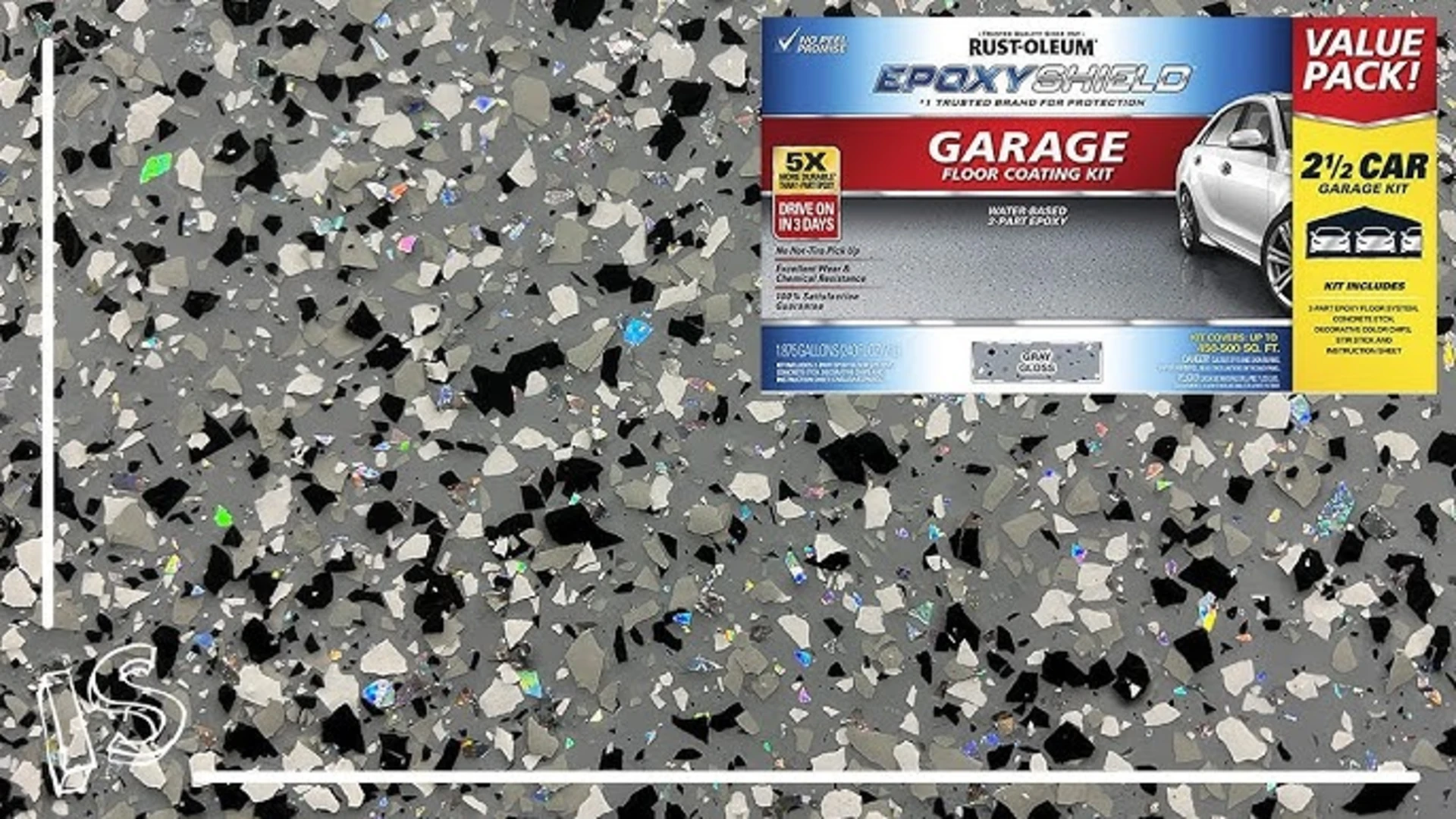
The short answer: for most Miami garages, a full-broadcast flake system with a polyaspartic topcoat is the best all-around choice. It hides dust, tire marks and concrete flaws, offers built-in grip when rain gets tracked in, and cleans easily. Choose metallic for a showcase garage, solid color for a clean budget-friendly workshop look, and quartz when maximum texture and traction matter most.
Request a Free QuoteMost homeowners shopping for garage floor coating in Miami already know they want something better than bare gray concrete. The harder question is which finish to choose. Flake, metallic, solid color and quartz can all be installed over the same slab, yet they look completely different, handle dirt differently and feel different underfoot when the floor is wet. This guide focuses on finishes and appearance rather than chemistry, so you can match the look and performance of your floor to the way you actually use your garage in South Florida. Start with the quick comparison below, then read the deeper breakdown of each finish. Relative cost compares the finishes to each other on a typical two-car garage, and actual pricing always depends on slab condition, square footage and the topcoat you choose.
Quick Comparison: Garage Floor Finishes at a Glance
- Full-broadcast flake: speckled granite-like look; good slip resistance from the chip texture; excellent at hiding dust, tire marks and slab imperfections; easy to clean with a soft broom and mop; mid-range cost; best for daily-driver garages and most homes.
- Metallic epoxy: swirling, three-dimensional marble or liquid-metal look; smoother surface that needs an added anti-slip additive; shows dust and tire marks more readily; easy to wipe but needs frequent dusting to look its best; highest cost; best for collector car showcases and entertaining spaces.
- Solid color epoxy: clean, uniform, industrial look; moderate slip resistance with an additive; shows dust, scuffs and tire marks the most; very easy to clean; lowest cost of the coatings; best for workshops, home gyms and budget projects.
- Quartz broadcast: sandpaper-like textured finish in blended colored aggregates; highest slip resistance; hides wear very well; slightly more effort to scrub because of the texture; mid-to-upper cost; best for wet areas, boat and golf-cart storage.
- Polished or grind-and-seal concrete: natural concrete look with a clear sealer; modest slip resistance; shows stains and existing cracks; easy to sweep; cost varies with slab condition; best for minimalists who want a non-coating option.
The Five Garage Floor Finishes, Explained
Full-Broadcast Flake Epoxy
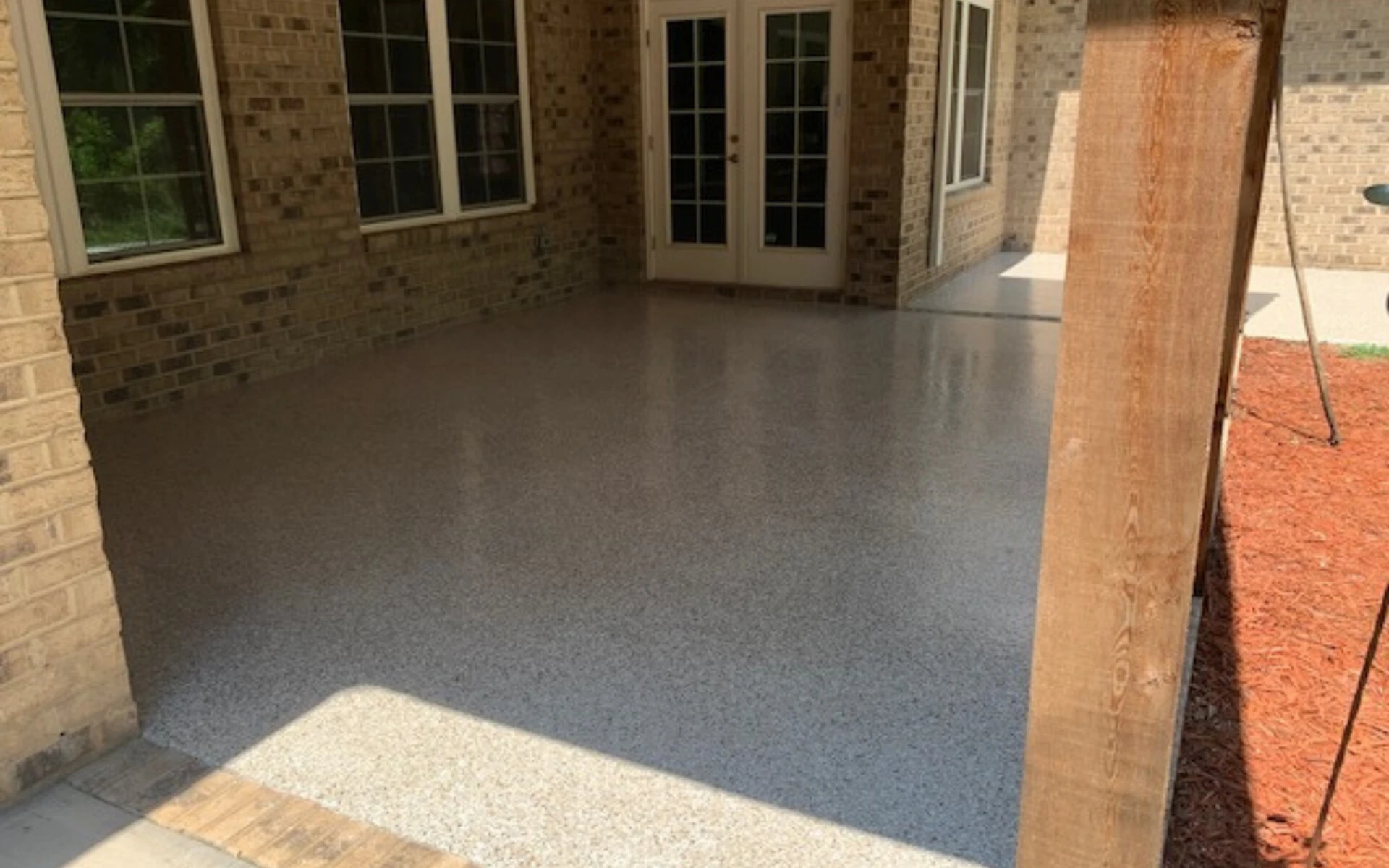
A flake floor starts with a pigmented epoxy base coat. While it is still wet, decorative vinyl chips are broadcast across the entire surface until no base color shows through. After curing, the excess flake is scraped and vacuumed, and a clear topcoat locks everything in. The result is a floor that reads like terrazzo or granite from a few feet away. Because the pattern is busy, it camouflages dust, sand, tire shine and small hairline cracks remarkably well, which is exactly why our flake epoxy flooring is the most requested garage finish across Miami-Dade, Broward and Palm Beach.
Metallic Epoxy
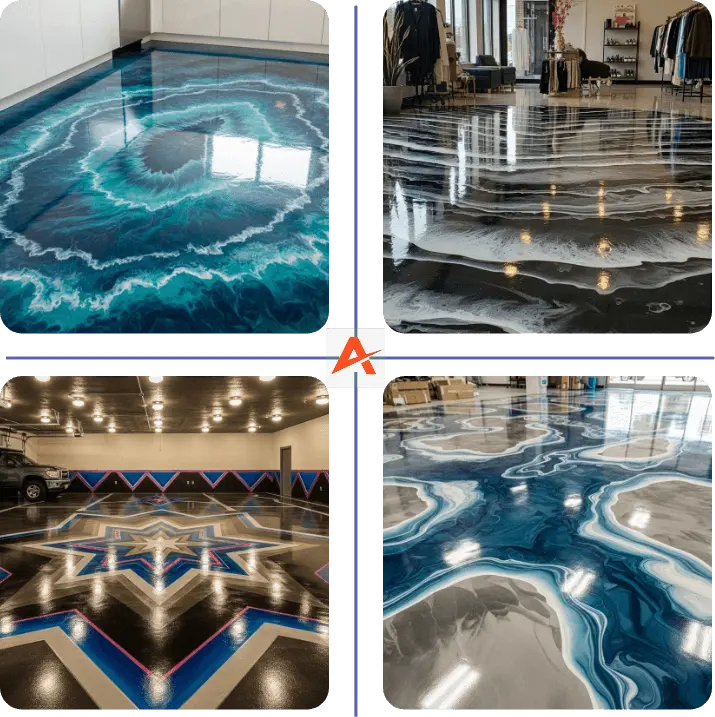
Metallic floors use epoxy loaded with reflective pigments that the installer manipulates by hand while the material is still workable. Rollers, sprayed solvent and trowels create movement, depth and veining, so no two floors look the same. The finish is glossy and dramatic, especially under LED shop lighting. The tradeoff is that the smooth, reflective surface shows dust, footprints and tire marks sooner than flake, and it needs an anti-slip additive in the topcoat for safety. If you want a garage that doubles as a showroom, explore our metallic epoxy flooring options.
Solid Color Epoxy
A solid color system is exactly what it sounds like: one or more pigmented coats in a single color such as light gray, tile red or safety-yellow accents. It delivers a crisp, uniform look that brightens a garage and makes dropped screws or parts easy to spot. Because there is no pattern, it is the least forgiving finish for dust, scuffs and existing slab flaws, and tire marks can show on lighter shades. It is also the most budget-friendly coating, making it popular for workshops, home gyms and rental units.
Quartz Broadcast
Quartz systems swap vinyl chips for colored quartz sand that is broadcast into the base coat, often in two layers, then sealed. The finish has a fine, consistent texture that delivers the strongest grip of any decorative garage option. Quartz is widely used in commercial kitchens and locker rooms for that reason, and it translates well to garages that see standing water, pool runoff or boat washdowns. Expect a more matte, slightly rugged appearance and a bit more scrubbing effort to lift ground-in dirt from the texture.
Polished or Grind-and-Seal Concrete
Not every garage needs a full coating. Grinding the slab and applying a penetrating or clear film sealer keeps the natural concrete look while reducing dusting and making cleanup easier. It suits homeowners who like a raw, modern aesthetic. The limits are real, though: existing stains, patches and cracks remain visible, and the protection against hot tire pickup, oil and chemicals is lower than a full epoxy or polyaspartic system. For a deeper look at concrete finishing options, the Concrete Network is a useful independent resource.
How to Choose by How You Use Your Garage
The best garage floor coating is the one that fits your daily routine, not the one that looks best in a showroom photo. Think about who parks there, what gets dragged across the floor, whether water and sand come in regularly and how often you realistically plan to clean. These simple pairings tend to work well for most South Florida homes.
- Daily driver garage: full-broadcast flake in a medium blend. It hides the sand, leaves and tire marks that come with coming and going every day.
- Collector car showcase: metallic epoxy with an anti-slip topcoat, or a fine-chip flake if you want a showroom look with less upkeep.
- Workshop or home gym: solid color epoxy in a light gray for brightness and easy parts-spotting, or flake if you would rather hide wear from weights and tools.
- Rental property: flake in a neutral blend. It survives turnover between tenants, forgives minor damage and looks clean in listing photos.
- Golf-cart or boat storage: quartz broadcast or a heavier-textured flake for maximum traction around water, salt spray and wet tires.
Miami-Specific Factors That Change the Answer
A garage floor in Miami lives a harder life than one in a mild northern climate. Heat, humidity and sudden afternoon storms all influence which finish and topcoat perform best over the years. Topcoat chemistry matters as much as the decorative layer, which we cover in detail in our separate guide comparing epoxy and polyaspartic garage floors. Keep these local factors in mind when choosing a finish.
- Hot tires: tires coming off sun-baked asphalt can soften weak coatings and cause hot tire pickup. A full system with a durable topcoat resists this far better than a thin DIY kit.
- Humidity and moisture vapor: South Florida slabs can push moisture upward. Proper diamond grinding, moisture evaluation and the right primer matter more than the color you pick.
- Open-door UV: many garages sit open for hours. Standard epoxy can amber in sunlight, so a UV-stable polyaspartic topcoat helps every finish keep its true color.
- Salt air: coastal homes see salt residue tracked in on cars and shoes. Sealed, non-porous finishes rinse clean and protect the concrete beneath.
- Rain tracked in: wet tires and flip-flops on a glossy floor are a slip risk. Flake and quartz offer natural texture, while metallic and solid finishes need an anti-slip additive.
Color and Flake-Blend Tips
Color choice affects how clean your garage looks between cleanings, not just how it looks on install day. The wrong shade can make a perfectly clean floor look dusty, while the right blend keeps it looking fresh with minimal effort. A few simple, practical guidelines help most homeowners land on a blend they will still love many years from now.
- Pick a medium-tone blend. Very light floors show dirt and tire marks, while very dark floors show dust, salt and dried water spots.
- Mix at least three colors in a flake blend so sand, leaves and dust disappear into the pattern.
- Match the blend to your exterior. Grays and tans complement the stucco, pavers and tile common across South Florida homes.
- Choose smaller flake for a refined, granite-like look and larger flake for a bolder pattern that hides more.
- Always view physical samples in your own garage lighting, since showroom lights can make colors read warmer or cooler.
- For metallic floors, ask about base and accent color combinations, since the base tone strongly influences the final movement and depth.
Typical Installed Price Ranges by Finish
Every slab is different, so these are typical installed ranges rather than fixed quotes for your home. Final pricing depends on square footage, crack and spall repair, moisture mitigation, the number of coats and whether you choose an upgraded polyaspartic topcoat. Smaller garages often land toward the higher end per square foot because setup and prep costs are spread across fewer feet.
- Solid color epoxy: typically about $4 to $7 per square foot installed.
- Full-broadcast flake: typically about $5 to $9 per square foot installed.
- Metallic epoxy: typically about $8 to $15 per square foot installed, reflecting the extra hand artistry.
- Quartz broadcast: typically priced near the upper part of the flake range because of the additional broadcast layers.
- Grind-and-seal concrete: varies widely with slab condition and the sealer selected.
What Install Day Looks Like
- Clear the garage of vehicles, storage and anything on the floor before the crew arrives.
- Diamond grind the slab to open the concrete pores and remove old sealers, paint and contaminants.
- Repair cracks, pits and spalled areas and evaluate the slab for moisture.
- Apply the base or primer coat, colored to suit the chosen finish.
- Broadcast flake or quartz to full coverage, or hand-work the metallic pigments.
- Scrape and vacuum excess broadcast material once the base has cured.
- Apply the clear topcoat, with an anti-slip additive where needed.
- Allow light foot traffic first, then wait the recommended cure time before parking vehicles.
Frequently Asked Questions
What is the best garage floor coating for Miami homes?
For most homeowners, a full-broadcast flake system with a UV-stable topcoat is the best garage floor coating in Miami. It balances looks, grip, durability and easy cleaning, and its pattern hides the sand and tire marks that come with South Florida driving. Metallic, solid color and quartz each excel in specific situations, so the right answer depends on how you use the space and how much upkeep you want.
Is a flake epoxy garage floor slippery when wet?
A flake floor has natural texture from the chips, so it typically offers better grip than a smooth solid or metallic finish. Texture level can be adjusted by flake size and topcoat thickness, and an anti-slip additive can be mixed in for extra traction. If slip resistance is your top concern, read our guide to non-slip floor coatings in Miami for more options.
Does metallic epoxy work in a garage that is used every day?
Yes, metallic epoxy can handle daily parking when it is installed over a properly prepared slab and protected with a durable topcoat. The main difference is maintenance, not strength. Its glossy, reflective surface shows dust, footprints and tire marks sooner, so it looks best with regular dust mopping. Many owners choose metallic for a second garage bay or a showcase vehicle and flake for the daily driver side.
Can a coating hide cracks in my garage floor?
Cracks and spalls are repaired and filled during prep, and a busy pattern like flake or quartz makes those repairs much harder to see afterward. Solid color and metallic finishes are less forgiving and may show patched areas. Keep in mind that a coating is not a structural fix, so active cracks that keep moving can eventually telegraph through any finish and should be evaluated before installation.
How long before I can park on my new garage floor?
Cure times depend on the system and the weather. Polyaspartic topcoats cure faster than traditional epoxy, so light foot traffic is often possible the same day or the next morning, while vehicle traffic usually requires a longer wait. Heat and humidity in South Florida influence curing, so your installer will give you a specific timeline for your floor before work begins.
Ready to Choose Your Garage Floor Finish?
Art of Coating Miami is a licensed and insured floor coating contractor with a BBB A+ rating, based in Fort Lauderdale and serving homeowners across Miami-Dade, Broward and Palm Beach since 2022. We install flake, metallic, solid color and quartz garage floor systems with polyaspartic topcoats built for South Florida conditions, and we bring physical samples so you can see colors in your own garage lighting. Call (786) 618-4877 or request your free estimate to compare finishes on your slab.
Last updated: October 2026